
Aug 3, 2019 | Plausibility
Since I keep seeing articles and blog posts about the apostasy of Joshua Harris, I keep thinking of lessons we can learn from his postmodern rejection of the Christian faith. I outlined three in my last post, and add another in this one. It’s a concept that is all but invisible in Christian conversations, and even in apologetics: plausibility structures. Before you go off somewhere else in Internetland because it sounds like an esoteric concept for brainiacs, or something, stick with me. It could not be more important for Christians trying to navigate their faith commitments in a hostile, secular 21st century Western culture.
(more…)
Aug 1, 2019 | Parents and Family
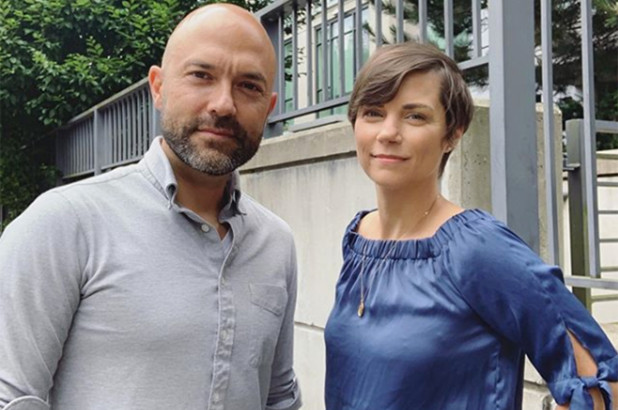
A lot of Internet ink has been spilled about author/pastor, Joshua Harris, so I figured I might as well add to the torrent. And given my bent, I’ll orient it toward apologetics. Harris recently decided to jettison the ideas in a book he wrote about sexual purity and dating in the 90s, and also decided that the Christian faith he thought inspired those ideas must be jettisoned as well. The marriage of 20 years based on the book’s message, that’s over too. In his declaration of apostasy he also apologized to the “LGBTQ+ community,” which means he’s embracing the moral system of modern liberal secularism. He’ll get plenty of praise from the usual suspects for that move, but there are some lessons here, elephant in the room kind of lessons. I haven’t read the book, but I think what I’ve read based on what’s transpired in his life is accurate.
(more…)

Jun 26, 2019 | Apologetics, Explanatory Power
Being a person of extreme apologetic bent, I’m always looking to validate Christian truth claims. Apologetics is critical in a Western culture drenched in secularism, where most people fit into one of the Triple A categories: Atheist, Agnostic, or Apathetic. For them this life is all that matters, even as short as it is, and they have no curiosity to see if there is any meaning beyond sheer material existence. As Christians we must be endlessly curious, asking the big questions all the time. So I have one to share with those who are more like me: In the history of the world where did the idea of a personal, Creator God come from? This is no trivial question. (more…)
Apr 28, 2019 | Epistemology - Trust
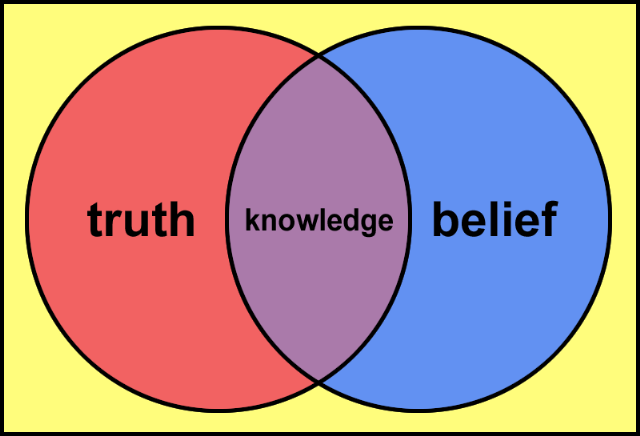
I recently heard New Testament scholar Daniel B. Wallace on a podcast say that we need to understand the difference between the search for truth and the search for certainty. Most Americans, and westerners in general, think that because you can’t have the latter, the former is impossible as well. That’s one side of the divide where the agnostics and skeptics congregate, and for whom any debate about ultimate meaning is a fruitless waste of time. On the other are those who believe absolute certainty is achievable, and act like they’ve found it. Arrogant, absolutist atheists are the most obvious offenders of this mindset, but Christians aren’t immune from it either. There are certain kinds of fundamentalist Christians (Protestant or Catholic) who think absolute certainty is a requirement for and evidence of genuine Christian faith. You’ll see shortly what this is tragically mistaken.
(more…)

Apr 6, 2019 | Apologetics
I’ve been slowly reading through Frederick Copleston’s A History of Philosophy, and having recently finished the section on the great Scottish skeptic David Hume, I got to wondering if Hume might come to the same conclusions today. An impossible question to answer, no doubt, like comparing great athletes from different eras, but one worth contemplating. The entire Enlightenment project was birthed in an historical and cultural epoch when a world and universe without God had a certain plausibility to it. Science was a new, exciting phenomenon, and Christian apologetics as a discipline hardly existed. The enterprise to construct a credible explanation of reality based on experience (empiricism) and reason sans God was in its infancy, and a heady enterprise it was. Philosophers, even those who considered themselves Christians, thought they could explain reality without revelation. That hasn’t turned out so well.
(more…)

Recent Comments