
Mar 16, 2019 | Apologetics
Did you know Jesus was a Jew? That he grew up and lived his entire life among religious Jews? Did you know that this fact is critically important in establishing the credibility and plausibility of the gospel stories? If you don’t, then you may not be familiar with the phrase, psychological apologetics. This is basically how psychological evidence (how people think, what makes sense to them, their conceptual framework) establishes the facts of the gospel narratives. Once you learn about this, it’s impossible to un-see it, and the more your confidence will grow in the historical reliability of what we read in the New Testament (and the Old as well).
(more…)
Mar 10, 2019 | Apologetics
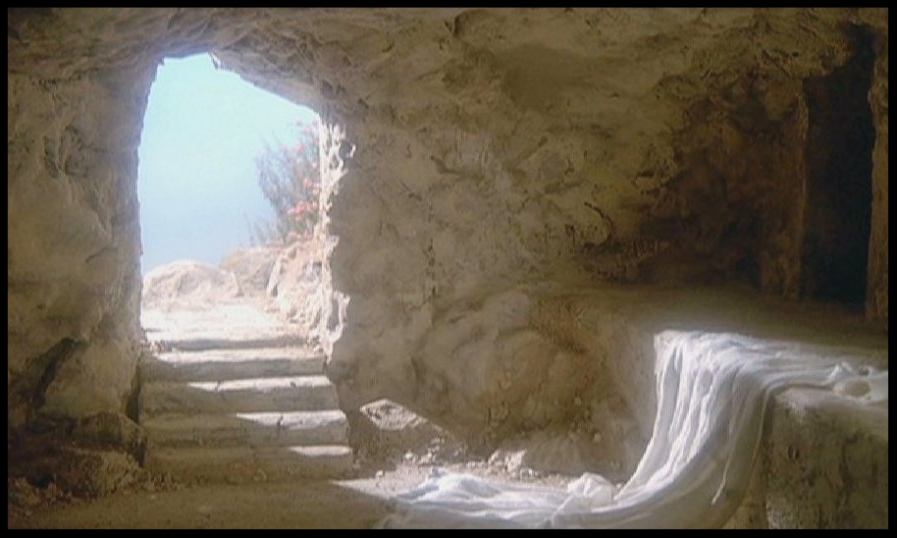
I’m listening to a wonderful series of lectures by pastor of Christ Reformed Church in Anaheim, California, Kim Riddlebarger called “Apologetics in a Post-Christian Age.” He argues, persuasively, that the central fact of the apologetics enterprise is the resurrection. If that in fact happened, then everything else follows: Christianity is the true understanding of the nature of reality. If it didn’t, eat, drink, and be merry . . . . The question for Christians, and those not yet but who understand the implications of such an event if it in fact happened: Can we trust the historical accounts and information we find in our Bibles? Most people today think whatever happened, it was 2,000 years ago, so of course we can’t know if it actually happened. These people would be wrong. How can I say that with such certainty?
(more…)

Jan 27, 2019 | Apologetics, Epistemology - Trust
A favorite tactic of skeptics to justify their rejection of God is to take some example of what God has ostensibly done or does, and assert that if there was a God he certainly wouldn’t have done it this way or that. The silliest direct example of this in my life happened before the Internet, in a letter writing exchange with a university professor I didn’t know. He claimed that if there was such a being as God that he would never make other beings who, how do I put this politely, need to defecate to rid the body of waste. That, to him, was a deal breaker: God cannot exist! I was incredulous. Seriously? You can’t come up with anything better?
(more…)

Dec 15, 2018 | Apologetics
If you’ve ever heard, read, or interacted with an atheist you’ll be familiar with one of their most absurd tropes: there is no evidence for the veracity of Christianity. Thus they define “faith” as a religious term that means believing without evidence, or in spite of the lack thereof. But faith, as I argue in the book, is more accurately defined as trust based on adequate evidence. As such it is not a religious term at all. We use the same faculties of assessment, for instance, to believe in the resurrection of Jesus of Nazareth from the dead, as we do when we fly in an airplane. There is enough evidence for both, so we can trust the former for our salvation, and the latter our safety. Can we have absolute certainty as Descartes? No. Absolute certainty doesn’t exist in anything, but beyond a reasonable doubt does. Being finite creatures our knowledge is always limited, and so some level of trust, or faith, is required in everything we do.
(more…)
Aug 10, 2018 | Apologetics, Explanatory Power
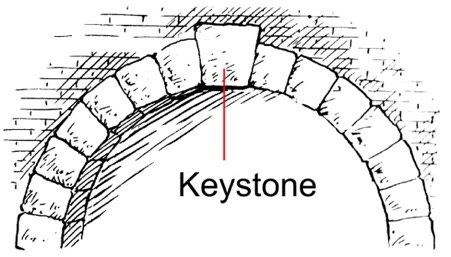
Back in 1968 as the sexual revolution was raging, Pope Paul VI wrote a profoundly counter-cultural encyclical called Humanae Vitae. One of the things that made it so profound (and something completely missed by the Evangelical leaders of the day) was its appeal to natural law, or telos in nature. If you are not familiar with the word telos, in Greek it means purpose, and it was used as an important means of understanding the world for the ancient Greeks, especially Aristotle. Evolution News recently had a piece that connected the Pope’s arguments of telos in nature, and Intelligent Design (ID). The latter is a very simple, biblical, assertion that there is evidence of design in nature, and thus a designer. I know, shocking! I’ll explain why ID, and thus telos, is so “controversial” in a moment, but Paul tells us in Romans 1 that God, thus design, thus telos is obvious from his creation:
20 For since the creation of the world God’s invisible qualities—his eternal power and divine nature—have been clearly seen, being understood from what has been made, so that people are without excuse.
(more…)

Aug 5, 2018 | Apologetics
In addition to writing here at The Persuasive Christian Parent, several years ago I started writing my way through the Bible. I gave that blog the uninspiring title of, My Walk Through the Bible. Recently I finished the gospel of Mark and moved on to Luke. As I was writing my first post on Luke, I realized my thoughts would be good for readers of PCP given the apologetic nature of the end of the second gospel and the beginning of the third. Here are those thoughts.
I’ve never noticed before now the apologetics connection between the last verse of Mark and the first verses of Luke. I love the way that works! Mark ends his book (or whoever wrote the disputed last section of Mark) saying that the Lord confirmed the disciples spreading his word “by the signs that accompanied it.” Those signs would be miracles. God provides evidence for the veracity of the message, never expecting us to believe just because someone says so. Christianity is different than every other religion on earth because it is based on facts that require evidence.
(more…)

Recent Comments